The Hygiene Hypothesis:
suggests that children grow up in virtually sterile and non-exposed
Gross 2015
environments-making the immune system less educated than it should be.
The Hygiene Hypothesis is a topic of ongoing debate, with various pieces of evidence both supporting and challenging its validity. On this page, we’ll be examining some of the evidence that challenges this hypothesis.
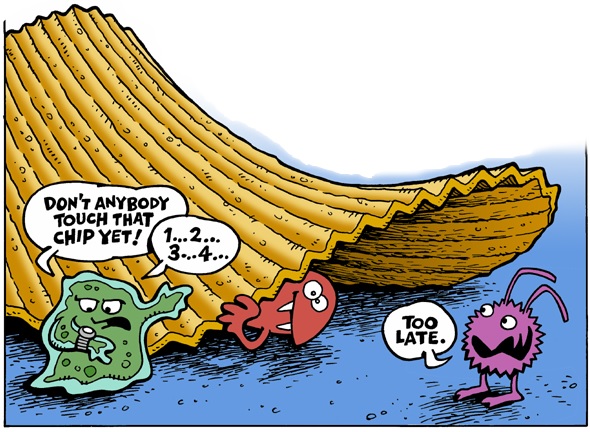
In the 1920s, hygiene practices like handwashing and showering were already prevalent in America and Europe. However, the rising rates of children with asthma and allergies in did not start to appear until the 1960s.
This discrepancy in the timeline suggests that hygiene and microbial interactions cannot be the sole drivers of rising allergy rates. The “cleanliness” trend is not associated with the trend in asthma and allergies
Asthma and Allergies
Many individuals with allergies also have asthma, as many of the same substances that trigger allergic reactions can also provoke asthma attacks. In this research, trends in asthma and allergies were studied together.
Modernization has greatly influenced our microbe environment.
Examples of Modernization Referenced in Research
- increased rates of birth by cesarean delivery
- early use of antibiotics
- a westernized diet
- the associated development of obesity
- changes in indoor and outdoor lifestyle and activity patterns
This change has increased both the variety and quantity of microbes we are exposed to, contradicting the core idea of reduced exposure proposed by the Hygiene Hypothesis.
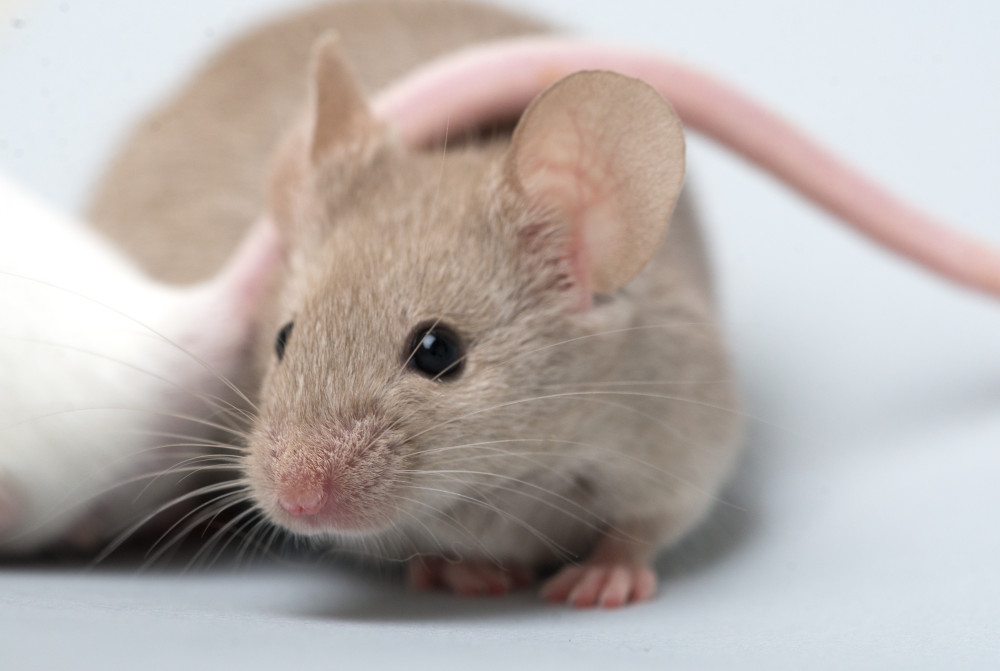
Research has utilized mice as an animal model to investigate the Hygiene Hypothesis.
Researchers compared experimental wildling mice, which were exposed to a representative breadth of naturally occurring pathogens, to specific pathogen-free mice.
The increased microbial biodiversity exposure in wildling mice did not protect them against allergic inflammation. When exposed to allergens, wildling mice developed robust signs of allergic inflammation and rapid expansion of immune cells in the lungs.
Overall, these various pieces of evidence suggest that increased micro diversity does not necessarily help prevent allergic diseases.